semi合集-English.pdf - 第3266页
SEMI E127.1-0705 © SEMI 2004, 2005 11 SubstrLocStateChange IMM A[] Enumerated per SEMI E90.1 TableCount IMM U2 SubstrXfrPathID STPO A[1,80] SubstrateList STPO L, n 1. <SubstrateID 1> . n. <SubstrateID n> Subs…
SEMI E127.1-0705 © SEMI 2004, 2005 10
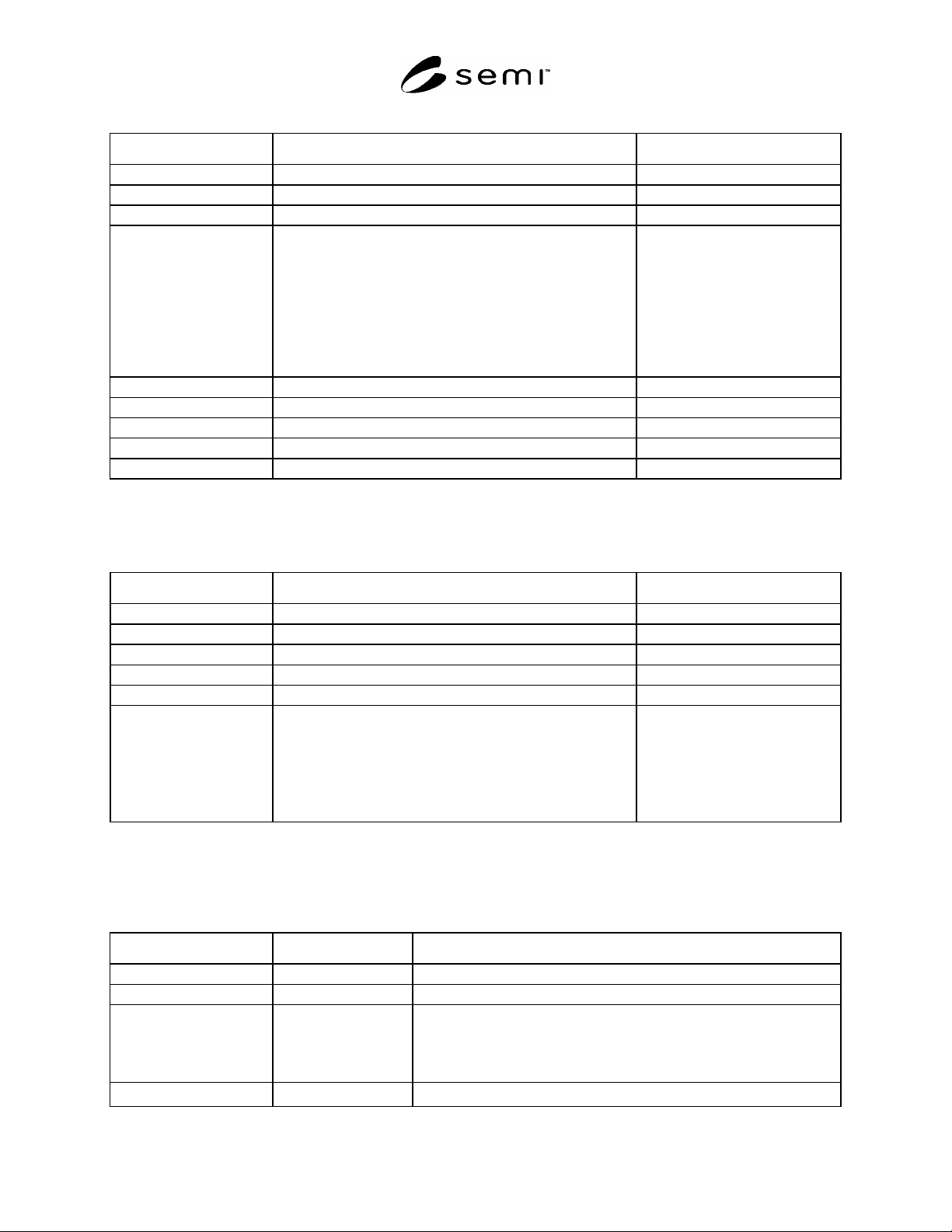
Table 17 Data Table Object Attribute Specification
Attribute Name Range/Value SECS-II Format
ObjType Text = “DataInfo”. A[8]
ObjID Text. Conforms to restrictions for OBJID in SEMI E39.1, §6. A[1,80]
Assurance Any
DataType Enumerated text.
arrays of integers =AR[In, Un] for n = 1, 2, 4, 8
arrays of floats = AR[F4, F8]
ASCII = A[n] for n characters or A[min, max] for variable
length strings
Integers = I2, I4, I8, U2, U4, or U8
binary bytes = B[n] for n bytes
Boolean = BOOLEAN
A[n]
Description Text. A[1,80]
InterdependencyRule Text. A[1,400]
Units Enumerated per SEMI E5, §9. A[1+]
Use Text. A[1,80]
ValidityRule Text. A[1,80]
7.12 Additional Attributes of the Substrate Object — Table 18 specifies the attributes of the Substrate object in
addition to those specified in SEMI E90.
Table 18 Additional Substrate Object Attribute Specification
Attribute Name Range/Value SECS-II Format
ProcessFlowStep Text. A[1,80]
OrientationIn Any F8
OrientationOut Any F8
ProcessToolID Text. Conforms to restrictions for OBJID in SEMI E39.1, §6. A[1,80]
ProcessRecipeID Text. Conforms to restrictions for OBJID in SEMI E39.1, §6. A[1,80]
SubstrSide Enumerated:
Unknown = 0
Front = 1
Back = 2
Both = 3
>3 reserved
U2
8 Event Variables
8.1 Table 19 shows the mapping of event variables to SECS-II format. All event variables are DVVALs.
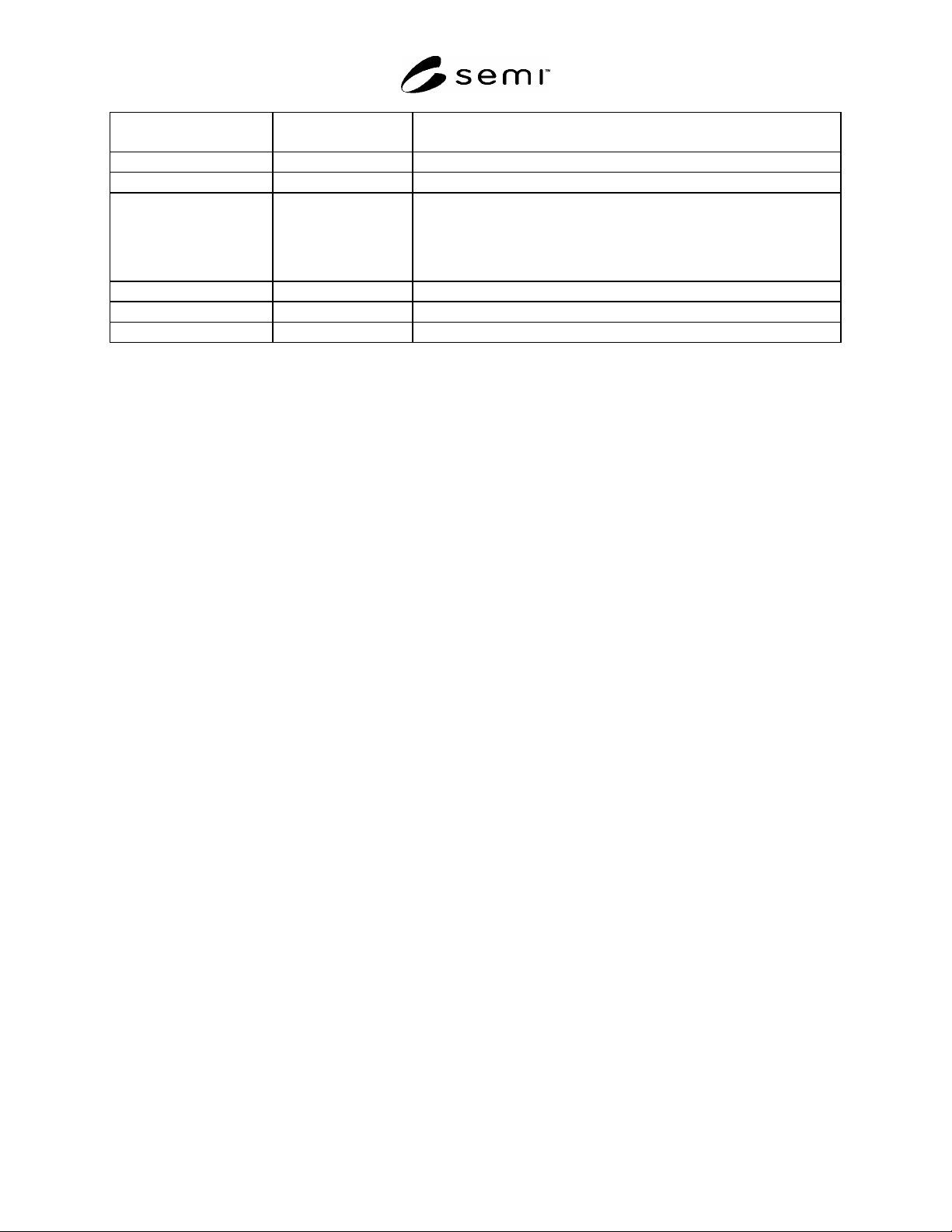
Table 19 Event Variables mapped to SECS-II
Event Variables Associated Object Format
DateTime IMM, STPO Timestamp format. A[16]
Service IMM U1
SubstrateListChangeType IMM U1
Enumerated:
1 = Addition
2 = Deletion
SubstrateID IMM A[1,80]. Conforms to restrictions for SubstID in SEMI E90, E90.1
SEMI E127.1-0705 © SEMI 2004, 2005 11
SubstrLocStateChange IMM A[]
Enumerated per SEMI E90.1
TableCount IMM U2
SubstrXfrPathID STPO A[1,80]
SubstrateList STPO L, n
1. <SubstrateID
1>
.
n. <SubstrateID
n>
SubstidRead STPO A[1,80]. Conforms to restrictions for SubstID in SEMI E90, E90.1
OrientationIn STPO F8
OrientationOut STPO F8
NOTICE: SEMI makes no warranties or representations as to the suitability of the standards set forth herein for any
particular application. The determination of the suitability of the standard is solely the responsibility of the user.
Users are cautioned to refer to manufacturer's instructions, product labels, product data sheets, and other relevant
literature, respecting any materials or equipment mentioned herein. These standards are subject to change without
notice.
By publication of this standard, Semiconductor Equipment and Materials International (SEMI) takes no position
respecting the validity of any patent rights or copyrights asserted in connection with any items mentioned in this
standard. Users of this standard are expressly advised that determination of any such patent rights or copyrights, and
the risk of infringement of such rights are entirely their own responsibility.
Copyright by SEMI® (Semiconductor Equipment and Materials
International), 3081 Zanker Road, San Jose, CA 95134. Reproduction of
the contents in whole or in part is forbidden without express written
consent of SEMI.

SEMI E128-0304 © SEMI 2003, 2004 1
SEMI E128-0304
PROVISIONAL SPECIFICATION FOR XML MESSAGE STRUCTURES
This provisional specification was technically approved by the Global Information & Control Committee and
is the direct responsibility of the North American Information & Control Committee. Current edition
approved by the North American Regional Standards Committee on October 16, 2003 and December 4, 2003.
Initially available at www.semi.org February 2004; to be published March 2004. Originally published July
2003.
1 Purpose
1.1 This standard specifies XML structures required to
encode message header or “envelope” information for
asynchronous messages. It applies to applications
conforming to other SEMI standards only if they use
asynchronous XML messaging for communication.
XML is used in software applications to encode
information with tags that provide structure and data
type information specified in XML Schemas. XML is
also used to structure information needed to route and
deliver messages between applications. A standard for
message headers is required to avoid development and
use of multiple incompatible protocols based on XML.
This specification will be referred to as “The XML
Messaging Specification.”
1.2 The XML Messaging Specification provides
definitions of message headers needed for messages
exchanged in an asynchronous fashion. Asynchronous
messages are delivered independently without
dependence on transport technology to correlate related
messages. The rationale for choosing an asynchronous
message delivery mechanism is based on the
characteristics of the interaction between two software
systems. Some of these reasons are that:
• Support for long-running Request/Reply
interactions may not be practical in a synchronous
session-oriented communication.
• Some messaging interactions require additional
callback messages reporting on server activity
which supplement the reply message.
• Clients may wish to interleave requests and replies
to manage parallel or overlapping activities in
multiple concurrent messaging conversations.
1.3 The base technology supporting asynchronous
messaging may also support synchronous interactions
that rely on transport sessions for identification and
correlation of related messages. The XML Messaging
Specification does not prevent these synchronous
messaging dialogs since the specified header elements
are not required in these cases. However, there may be
benefits of using the message header elements specified
here even in synchronous interactions. The message
header elements provide self describing information
about messages that may be useful for debugging or
tracking message traffic. Their use may also enable
future migration to different message transports.
1.4 The XML Messaging Specification uses
established, openly referenceable industry standards for
XML messaging where possible. It only specifies
extensions to existing industry standards when needed
to meet the immediate requirements for messaging in a
SEMI Standard application context. The intent of this
standard is not to replicate existing standards or offer
competing specifications, but to align with and cite the
usage of existing standards.
2 Scope
2.1 In Scope — The XML Messaging Specification
will include within its scope the following:
2.1.1 Use of the W3C Simple Object Access Protocol
(SOAP) — SOAP is used as a basic message foundation
for SEMI messaging applications.
2.1.2 Definition of SOAP Extensions — This
specification defines SOAP extensions for header and
body elements needed to support asynchronous
messaging interactions.
2.1.3 Structures for Request/Reply Point-to-Point
Message Dialogs — This specification will address the
message header data needed to support request/reply
interactions with a request message and corresponding
reply message using asynchronous, one-way messages.
2.1.4 Structures for Asynchronous Point-to-Point
Callback Messages — This specification will address
the message header data needed to enable atomic,
asynchronous callback messages that complement a
request/reply dialog between two endpoints.
2.1.5 Structures for Asynchronous Multicast Event
Messages — This specification will address the
message header data needed to enable atomic,
asynchronous event messages distributed via a
publication multicast to multiple subscribers.
2.1.6 Use of W3C Web Services Definition Language
(WSDL) — WSDL is a message metadata specification
language for describing signatures of web service
interfaces. This specification will define how WSDL