semi合集-English.pdf - 第6980页
SEMI S10-1103 © SEMI 1996, 2003 10 27.1.5 inadequate holdi ng devices/acc essories 27.1.6 collision of more th an one machine 27.2 from access of persons to load support 27.3 from derailment 27.4 from insufficient mechan…
SEMI S10-1103 © SEMI 1996, 2003 9
8.8 Inadequate design or location of visual display
units
9 Combination of Hazards
10 Unexpected start-up unexpected over-run/over-
speed (or any similar malfunction) from:
10.1 Failure/disorder of the control system
10.2 Restoration of energy supply after an interruption
10.3 External influences on electrical equipment
10.4 Other external influences (gravity, wind, etc.)
10.5 Errors in the software
10.6 Errors made by the operator (due to mismatch of
machinery with human characteristics and
abilities, see 8.6)
11 Impossibility of stopping the machine in the best
possible conditions
12 Variations in the rotational speed of tools
13 Failure of the power supply
14 Failure of the control circuits
15 Errors of fitting
16 Break-up during operation
17 Falling or ejected objects or fluids
18 Loss of stability / overturning of machinery
19 Slip, trip and fall of persons (related to
machinery)
Additional hazards, hazardous situation and hazardous events
due to mobility
20 Relating to the traveling function
20.1 Movement when starting the engine
20.2 Movement without a driver at the driving position
20.3 Movement without all parts in safe position
20.4 Excessive speed of pedestrian controlled
machinery
20.5 Excessive oscillations when moving
20.6 Insufficient ability of machinery to be slowed
down, stopped and immobilized
21 Linked to the work position (including driving
station) on the machine
21.1 Fall of persons during access to (or at/from) the
work position
21.2 Exhaust gases/lack of oxygen at the work position
21.3 Fire (flammability of the cab, lack of
extinguishing means)
21.4 Mechanical hazards at the work position:
contact with the wheels
rollover
fall of objects, penetration by objects
break-up of parts rotating at high speed
contact of persons with machine parts or tools
(pedestrian controlled machines)
21.5 Insufficient visibility from the work positions
21.6 Inadequate lighting
21.7 Inadequate seating
21.8 Noise at the work position
21.9 Vibration at the work position
21.10 Insufficient means for evacuation/emergency exit)
22 Due to the control system
22.1 Inadequate location of manual controls
22.2 Inadequate design of manual controls and their
mode of operation
22.3 Inadequate explanation of the use of the controls
23 From handling the machine (lack of stability)
24 Due to the power source and to the transmission
of power
24.1 Hazards from the engine and the batteries
24.2 Hazards from transmission of power between
machines
24.3 Hazards from coupling and towing
25 From/to third persons
25.1 Unauthorized start-up/use
25.2 Drift of a part away from its stopping position
25.3 Lack or inadequacy of visual or acoustic warning
means
26 Insufficient instructions for the driver/operator
Additional hazards, hazardous situations and hazardous
events due to lifting
27 Mechanical hazards and hazardous events
27.1 from load falls, collisions, machine topping
caused by:
27.1.1 lack of stability
27.1.2 uncontrolled loading – overloading – overturning
moments exceeded
27.1.3 uncontrolled amplitude of movements
27.1.4 unexpected/unintended movement of loads

SEMI S10-1103 © SEMI 1996, 2003 10
27.1.5 inadequate holding devices/accessories
27.1.6 collision of more than one machine
27.2 from access of persons to load support
27.3 from derailment
27.4 from insufficient mechanical strength of parts
27.5 from inadequate design of pulleys, drums
27.6 from inadequate selection of chains, ropes, lifting
and accessories and their inadequate integration
into the machine
27.7 from lowering of the load under the control of
friction brake
27.8 from abnormal conditions of
assembly/testing/use/maintenance
27.9 from the effect of load on persons (impact by load
or counterweight)
28 Electrical hazards
28.1 from lightning
29 Hazards generated by neglecting ergonomic
principles
29.1 insufficient visibility from the driving position
Additional hazards, hazardous situations and hazardous
events due to underground work
30 Mechanical hazards and hazardous events due to:
30.1 Lack of stability of powered roof supports
30.2 Failing accelerator or brake control of machinery
running on rails
30.3 Failing or lack of deadman’s control of machinery
running on rails
31 Restricted movement of persons
32 Fire and explosion
33 Emission of dust, gases etc.
Additional hazards, hazardous situations and hazardous
events due to the lifting or moving of persons
34 Mechanical hazards and hazardous events due to:
34.1 Inadequate mechanical strength – inadequate
working coefficients
34.2 Failing of loading control
34.3 Failing of controls in person carrier (function,
priority)
34.4 Overspeed of person carrier
35 Falling of person from person carrier
36 Falling or overturning of person carrier
37 Human error, human behavior
38 Seismic hazards
39 Inadequate hazard warnings
SEMI S10-1103 © SEMI 1996, 2003 11
RELATED INFORMATION 2
HAZARD ANALYSIS TECHNIQUES
NOTICE: This related information is not an official part of SEMI S10 and is not intended to modify or supersede
the official guideline. It has been derived from practical application by the task force members. Publication is
authorized by the vote of the responsible committee April 2, 2003.
R2-1 Hazard Analysis Techniques
R2-1.1 Introduction
R2-1.1.1 This related information gives an overview of several hazard analysis techniques that can be used. Each
technique has its own limitation or is developed for a special type of risk assessment. For each technique a short
description of the technique and a reference, if available, is given. Of course, it is not possible to list all techniques
in this overview.
R2-1.1.2 Analysis techniques: the choice of analysis technique depends upon the goal of the analysis. Two basic
types of techniques exist:
R2-1.1.2.1 Top-down (deductive) techniques are suitable for determining the initiating events that can lead to
identify top events, and calculating the probability of top events from the probability of the initiating events. They
can also be used to investigate the consequences of identified multiple failures. An Example of top-down techniques
is Fault Tree Analysis (FTA, see IEC 61025).
R2-1.1.2.2 Bottom-up (inductive) techniques are suitable for investigating the consequence of identified single
failures. Examples of bottom-up techniques are Failure Modes and Effects Analysis (FMEA, see IEC 812) and
Failure Modes, Effects and Criticality Analysis (FMECA, see MIL-STD-1629A).
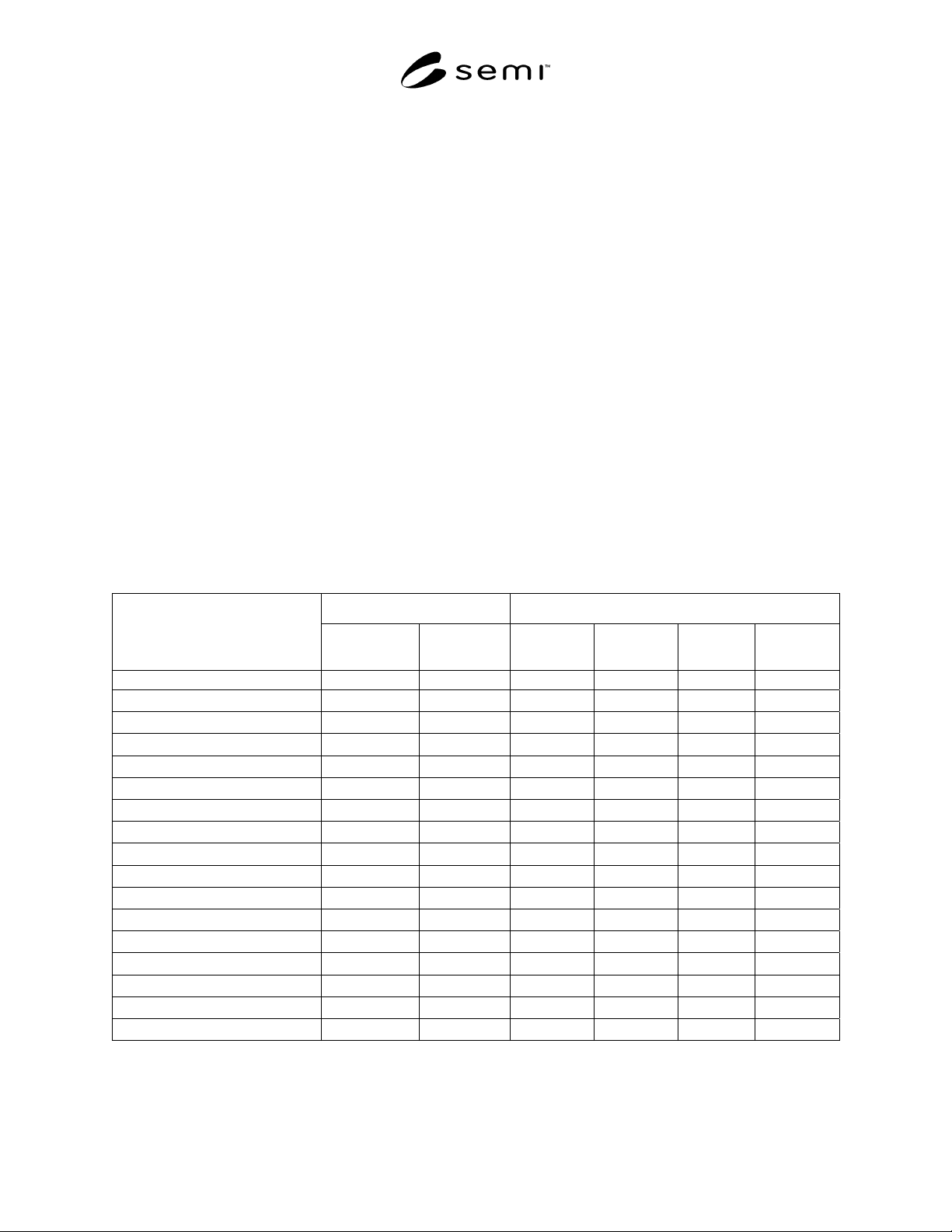
Table R2-1 Overview of Analysis Techniques and Area of Use
When to use Where to Use
Technique
Before
malfunction
After
malfunction
Process Work place Machine Organization
Work Safety analysis X - - X - -
What-If X - X X X -
MORT X X - - - X
Checklists X X X X X X
Action Error Analysis X - - - X -
HAZOP X - X - X -
FMEA X - X - X -
Event Tree Analysis X - X X X -
Fault Tree Analysis X X X X X -
Circuit Logic Analysis X X X - - -
Interface Analysis X - X - X -
Mapping X - - - X -
Procedure Analysis X X - X - X
Contingency Analysis X - - X - X
Mathematical Malfunction analysis X - X X X -
Work Space analysis X - X - X
Task Analysis X X - X X -