semi合集-English.pdf - 第7114页
SEMI S21-1103 © SEMI 2003 14 APPENDIX 2 SELECTION OF PERSONAL PROTECTIVE EQUIPMENT NOTICE : The material in this appendix is an official part of SEMI S21. A2-1 Introduction A2-1.1 Thi s appendix pr ovides specifi c techn…
SEMI S21-1103 © SEMI 2003 13
APPENDIX 1
CHEMICAL CATEGORIES AND ANTICIPATED HAZARDS BY
CATEGORY
NOTICE: The material in this appendix is an official part of SEMI S21.
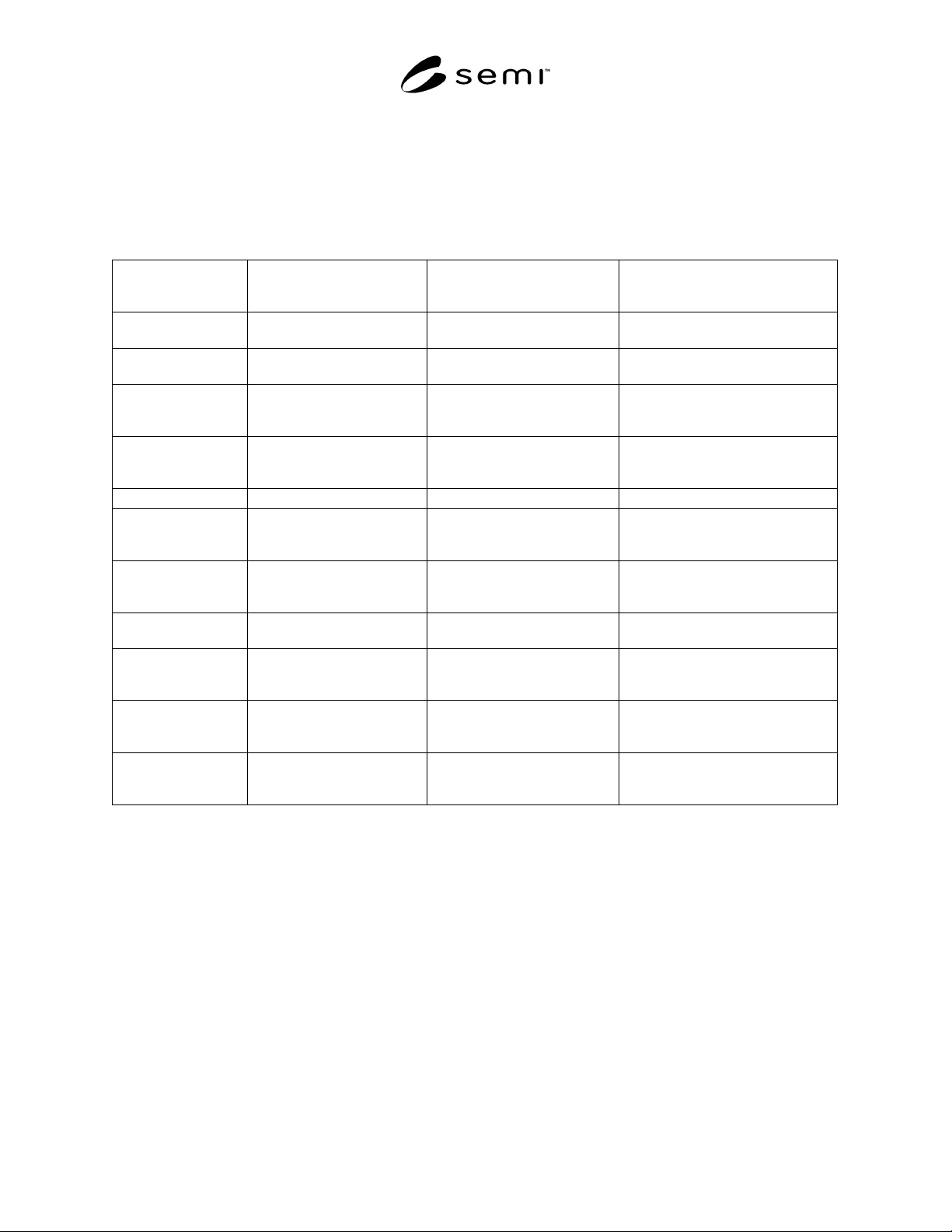
Table A1-1 Chemical Category and Hazards
Description Hazard Examples
Compressed Gas High pressure cylinder gas
Potential for rapid, dangerous
release of contents
Argon, hydrogen, chlorine
Cryogen
Liquefied gas stored around –
200° C
Frostbite/freezing tissue Liquid oxygen, liquid nitrogen
Corrosives
Acids, bases, and some
oxidizers
Burns, irritation, visible
destruction or change to living
tissue
Hydrochloric acid, hydrogen
bromide, ammonium hydroxide
Solvents
A liquid used to dissolve or
clean other materials that can
produce flammable vapors
Fire, explosion Isopropyl alcohol, acetone
Flammable gases Can burn easily if ignited Fire, explosion Arsine, hydrogen
Pyrophoric gases
Gases which may ignite
spontaneously upon contact
with air
Fire, explosion Silane, phosphine
Poisons
Any substance that produces a
harmful effect when
introduced to the body
Serious illness or death Phosphine, diborane, arsine
Inert Gas
Non-corrosive, non-toxic and
non-flammable
Simple asphyxiant Nitrogen, argon
Oxidizers
React energetically with
reducing agents
Violent reactions when mixed
with other chemicals; can
enhance fire
Nitric acid, hydrogen peroxide,
nitrous oxide
Irritants
Corrosives, solvents, oxidizers
(effects depend on
concentration)
Local inflammatory response to
skin, eyes or respiratory tract
Hydrochloric acid, sodium hydroxide,
hydrogen peroxide, acetone
Sensitizers
Any substance that can illicit
an allergic reaction
Effects range from mild skin or
respiratory reactions to
anaphylactic shock and death
Uncured epoxies, ethylenediamine,
isocyanates
SEMI S21-1103 © SEMI 2003 14
APPENDIX 2
SELECTION OF PERSONAL PROTECTIVE EQUIPMENT
NOTICE: The material in this appendix is an official part of SEMI S21.
A2-1 Introduction
A2-1.1 This appendix provides specific technical information relating to Section 12. In general, it provides Personal
Protective Equipment (PPE) recommendations for specific hazards.
A2-1.2 This appendix is intended to be used as a guide to select PPE along with Section 12.
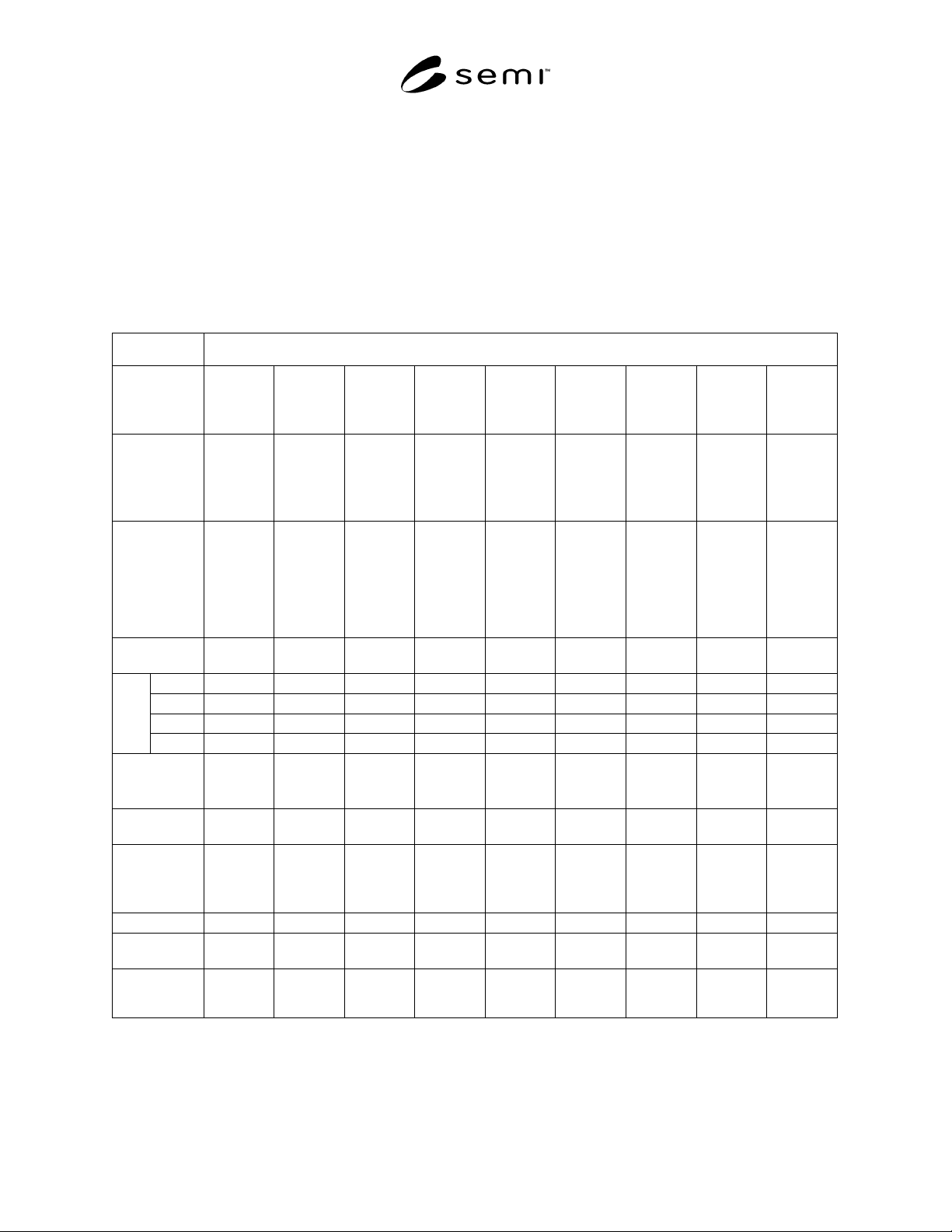
Table A2-1 PPE Selection Matrix
Personal Protective Equipment (PPE)
Potential
Hazard
Safety
Glasses,
Goggles
Face
Shield
Aprons,
Sleeves, or
Full Body
Suits
Gloves Skin
Protection
Safety
Shoes
Respirator Hardhat Hearing
Protection
(earplugs
or muffs)
Chemical R R
(if splash
hazard)
R
(if splash
hazard)
R R
(based on
hazard
assess-
ment)
Energized
Electrical
R R
(When
proper for
the
available
fault
current)
R
(When
proper for
the
available
fault
current)
R
(for high
voltage –
proper for
the
voltage)
R
(Insulation
-rated
proper for
the
voltage)
Ionizing
Radiation
R
*1
R
*2
R
*1
UV R
*4
R
*5
Visible R
*4
IR R
*3, 4
R
*5
Non-ionizing
Radiation
RF
Noise R
(at levels
>80 dBA)
Extreme
Temperatures
R R
Falling
Objects,
Bumping
Hazards
R R R
Mechanical R R R
Manual
Handling
R R
Oxygen
Deficiency
R
“R” indicates “Recommended”.
Note 1: Goggles and respirator should be worn if the sources are not isolated or exhausted, and are of a nature that they could enter the eye or be
inhaled.
Note 2: Gloves should be used if radioactive sources that are not sealed are being handled.
Note 3: Protective filters should be considered for long-term viewing (> 10 seconds). Where visible light doesn’t elicit the aversion response.

SEMI S21-1103 © SEMI 2003 15
Note 4: Specific protection recommendations for laser radiation above the maximum permissible exposure (MPE).
Note 5: Skin protection should be used for all exposed areas including head and neck.
NOTICE: SEMI makes no warranties or representations as to the suitability of the safety guidelines set forth herein
for any particular application. The determination of the suitability of the safety guidelines is solely the responsibility
of the user. Users are cautioned to refer to manufacturer' s instructions, product labels, product data sheets, and other
relevant literature, respecting any materials or equipment mentioned herein. These safety guidelines are subject to
change without notice.
By publication of this safety guideline, Semiconductor Equipment and Materials International (SEMI) takes no
position respecting the validity of any patent rights or copyrights asserted in connection with any item mentioned in
this safety guideline. Users of this guideline are expressly advised that determination of any such patent rights or
copyrights, and the risk of infringement of such rights are entirely their own responsibility.
Copyright by SEMI® (Semiconductor Equipment and Materials
International), 3081 Zanker Road, San Jose, CA 95134. Reproduction o
f
the contents in whole or in part is forbidden without express written
consent of SEMI.