semi合集-English.pdf - 第2069页
SEMI E54.10-0600 © SEMI 2 000 14 Attribute Name Attribute Id entifier Access Network Req uired Form Full Scale S lsA2 R Yes UINT Alarm Se ttling Time SlsA3 R Yes UINT Warning Se ttling Time SlsA4 R Yes UINT Rese rved Sls…
SEMI E54.10-0600 © SEMI 200013
8.5.1.6 Full Scale — An attribute which specifies the maximum value allowed for the “Value” attribute.
8.5.1.7 Alarm Settling Time — An attribute which specifies the maximum time in milliseconds that the “Value”
attribute may take to stabilize before an alarm is generated.
8.5.1.8 Warning Settling Time — An attribute which specifies the maximum time in milliseconds that the “Value”
attribute may take to stabilize before a warning is generated.
8.5.1.9 Initial and Default Values
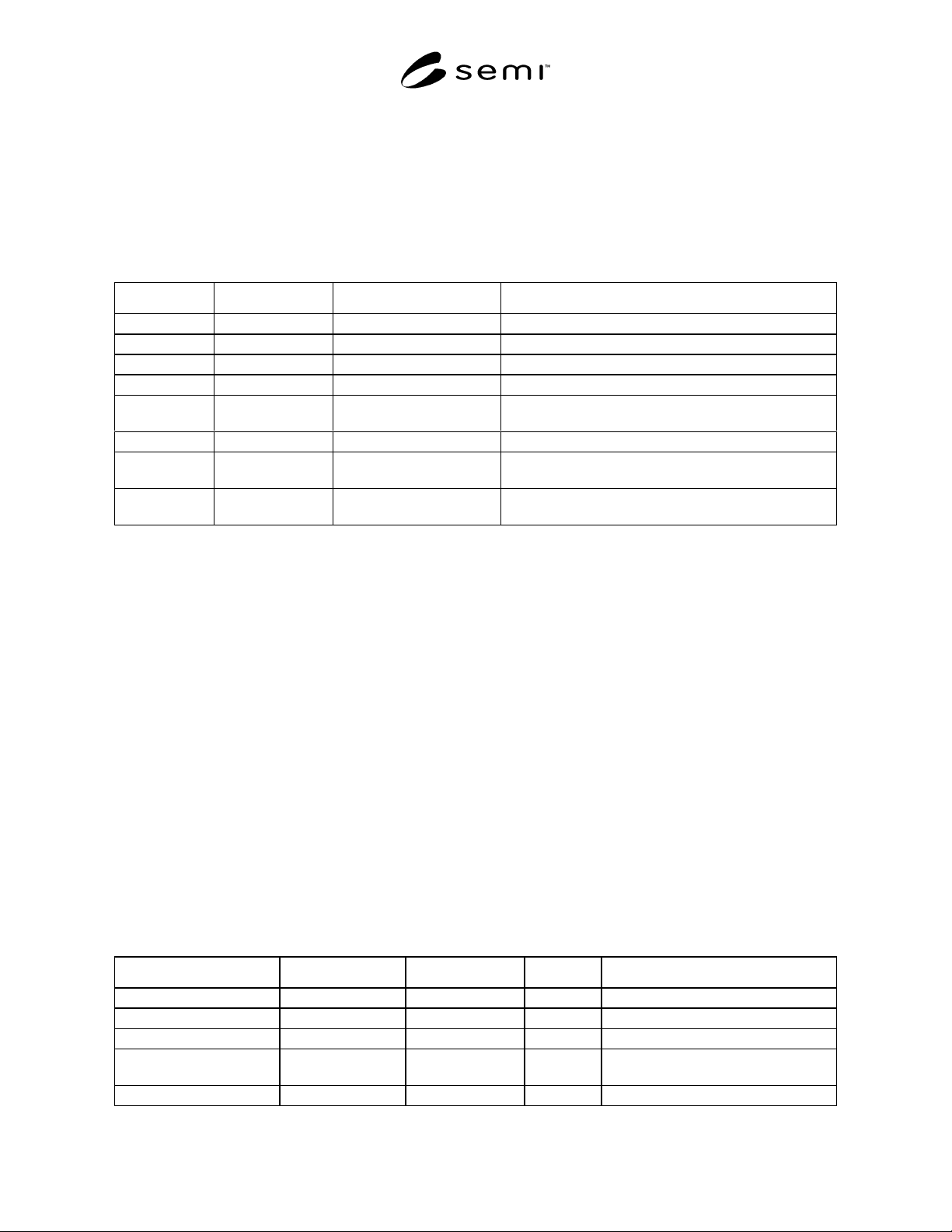
Table 14 Sensor-AI and Sensor-AI-LCS Object Attributes Initial and Default Values
Attribute Initial Value Default Value Comment
Value 0 0
Gain LVV 1.0
Data Type LVV UINT
Data Units LVV MilliAmps See Appendix 1 of SEMI E54.1.
Reading
Valid
0 0 Invalid
Full Scale LVV 0XFFFF
Alarm
Settling Time
LVV 1000 Milliseconds
Warning
Settling Time
LVV 1000 Milliseconds
8.5.2 Sensor-AI-LCS Object Services — The services provided by the Sensor-AI-LCS are inherited from the
Sensor-AI object defined in SEMI E54.1 [3]. There are no additional services required for the Sensor AI-LCS
object.
8.5.3 Sensor-AI-LCS Object Behavior — The behavior exhibited by the Sensor-AI-LCS object is inherited from the
Sensor-AI object defined in SEMI E54.1 [3]. Additional specific behavior associated with the Sensor-AI-LCS object
is defined below.
8.5.3.1 Sensor-AI-LCS OPERATING Application Process — A reading is retrieved from a physical laser current
sensor. This reading may be corrected with a manufacturer-specified algorithm. This corrected reading becomes the
input to the gain formula to generate the value attribute as referenced in SEMI E54.1 [3]. This process is executed
only when the Device Manager Object is in the EXECUTING state as defined in the Common Device Model. When
not in the EXECUTING state, the value of the “Reading Valid” attribute shall be set to “Invalid”. When in one of
the sub-states of the EXECUTING state, the validity of the “Value” attribute shall be manufacturer specific.
8.6 Sensor-AI-SLS Object — The Sensor-AI-SLS (Stray Light Sensor) object inherits the attributes, services, and
behavior of the Sensor-AI as defined in SEMI E54.1 [3]. The Sensor-AI-SLS is the device component responsible
for retrieving a reading from a physical stray light sensor, optionally correcting the reading with a manufacturer
specified algorithm, or algorithms, then making the value available through the “Value” attribute.
8.6.1 Sensor-AI-SLS Object Attributes — The attributes provided by the Sensor-AI object are defined in SEMI
E54.1 [3]. The Sensor-AI object attribute content and its attribute extensions to support the Sensor-AI-SLS object is
listed in Table 15.
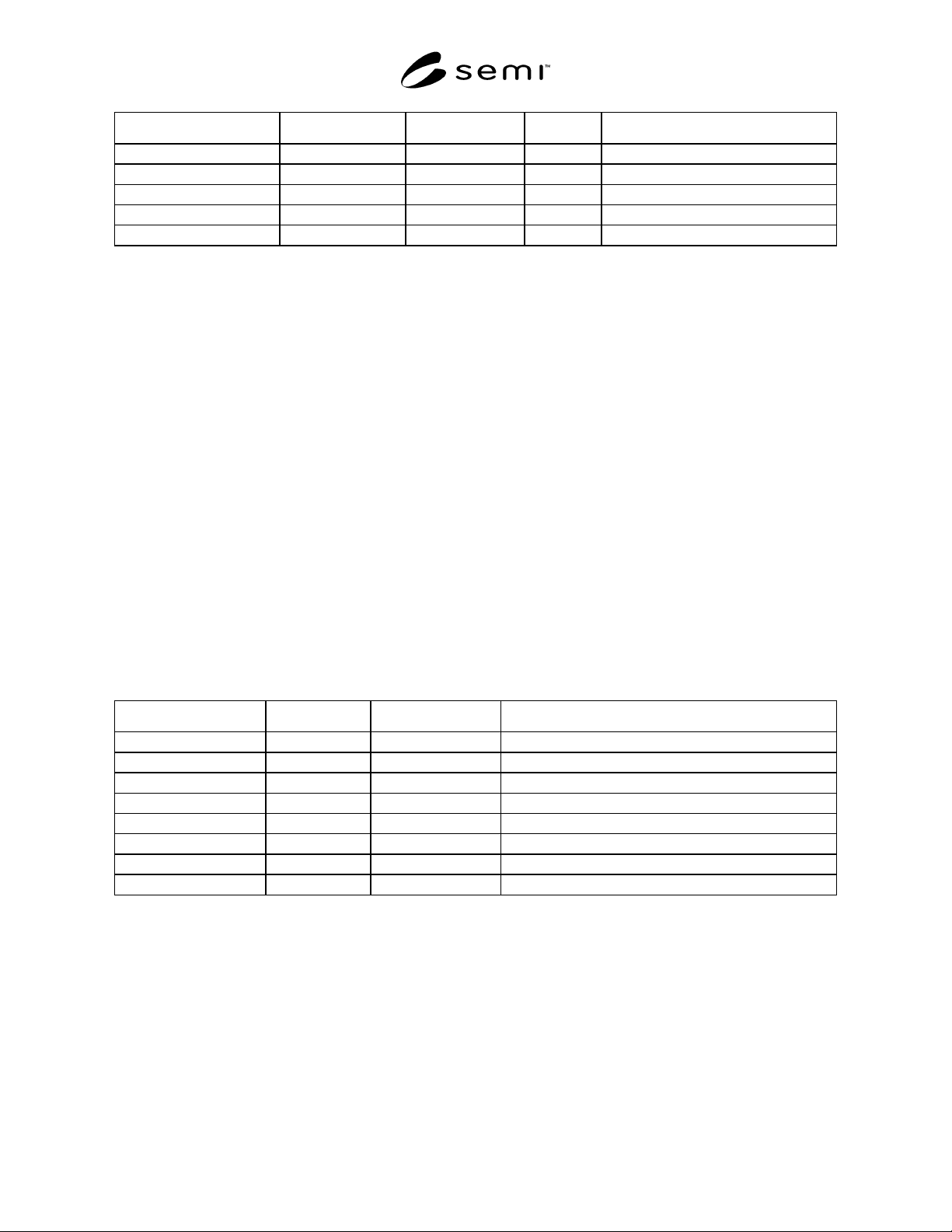
Table 15 Sensor-AI and Sensor-AI-SLS Object Attributes
Attribute Name Attribute Identifier Access Network Required Form
Value SaiA16 R Yes UINT
Gain SaiA65 R Yes REAL
Data Type SaiA66 R Yes USINT
Data Units SaiA67 R Yes Enumerated, UINT
milliVolts only value supported
Reading Valid SlsA1 R Yes Enumerated, Byte
SEMI E54.10-0600 © SEMI 2000 14
Attribute Name Attribute Identifier Access Network Required Form
Full Scale SlsA2 R Yes UINT
Alarm Settling Time SlsA3 R Yes UINT
Warning Settling Time SlsA4 R Yes UINT
Reserved SlsA5–SlsA64 — — Reserved for future expansion.
Manufacturer Specified > SlsA64 — — Manufacturer Specific attributes
8.6.1.1 Value — The attribute that maintains the stray light sensor value. This value is always read as milliVolts.
8.6.1.2 Gain — The attribute that specifies the gain between the photodiode (or some other light detection source)
and the stray light reading.
8.6.1.3 Data Type — The attribute which defines the format of the data associated with the “value” attribute.
8.6.1.4 Data Units — The attribute which specifies the units for the “Value” attribute. This attribute is an
enumerated UINT and can take only one value:
MilliVolts (as assigned in Appendix 1 of SEMI E54.1).
8.6.1.5 Reading Valid — An attribute which specifies whether the “Value” attribute contains a valid value. This
attribute is an enumerated byte that can take on one of the following values:
0 = Invalid, or
1 = Valid.
8.6.1.6 Full Scale — An attribute which specifies the maximum value allowed for the “Value” attribute.
8.6.1.7 Alarm Settling Time — An attribute which specifies the maximum time in milliseconds that the “Value”
attribute may take to stabilize before an alarm is generated.
8.6.1.8 Warning Settling Time — An attribute which specifies the maximum time in milliseconds that the “Value”
attribute may take to stabilize before a warning is generated.
8.6.1.9 Initial and Default Values
Table 16 Sensor-AI and Sensor-AI-SLS Object Attributes Initial and Default Values
Attribute Initial Value Default Value Comment
Value 0 0
Gain LVV 1.0
Data Type LVV UINT
Data Units LVV MilliVolts See Appendix 1 of SEMI E54.1.
Reading Valid 0 0 Invalid
Full Scale LVV 0XFFFF
Alarm Settling Time LVV 1000 Milliseconds
Warning Settling Time LVV 1000 Milliseconds
8.6.2 Sensor-AI-SLS Object Services — The services provided by the Sensor-AI-SLS object are inherited from the
Sensor-AI object defined in SEMI E54.1 [3]. There are no additional services required for the Sensor AI-SLS object.
8.6.3 Sensor-AI-SLS Object Behavior — The behavior exhibited by the Sensor-AI-SLS object is inherited from the
Sensor-AI object defined in SEMI E54.1 [3]. Additional specific behavior associated with the Sensor-AI-SLS object
is defined below.
8.6.3.1 Sensor-AI-SLS OPERATING Application Process — A reading is retrieved from a physical stray light
sensor. This reading may be corrected with a manufacturer-specified algorithm. This corrected reading becomes the
input to the gain formula to generate the value attribute as referenced in SEMI E54.1 [3]. This process is executed
only when the Device Manager Object is in the EXECUTING state as defined in the Common Device Model. When
SEMI E54.10-0600 © SEMI 200015
not in the EXECUTING state, the value of the “Reading Valid” attribute shall be set to “Invalid”. When in one of
the sub-states of the EXECUTING state, the validity of the “Value” attribute shall be manufacturer specific.
8.7 Sensor-AI-MNS Object — The Sensor-AI-MNS (Median Noise Sensor) object inherits the attributes, services,
and behavior of the Sensor-AI as defined in SEMI E54.1 [3]. The Sensor-AI-MNS is the device component
responsible for retrieving a reading from a physical median noise sensor, optionally correcting the reading with a
manufacturer specified algorithm, or algorithms, then making the value available through the “Value” attribute.
8.7.1 Sensor-AI-MNS Object Attributes — The attributes provided by the Sensor-AI object are defined in SEMI
E54.1 [3]. The Sensor-AI object attribute content and its attribute extensions to support the Sensor-AI-MNS object
is listed in Table 17.
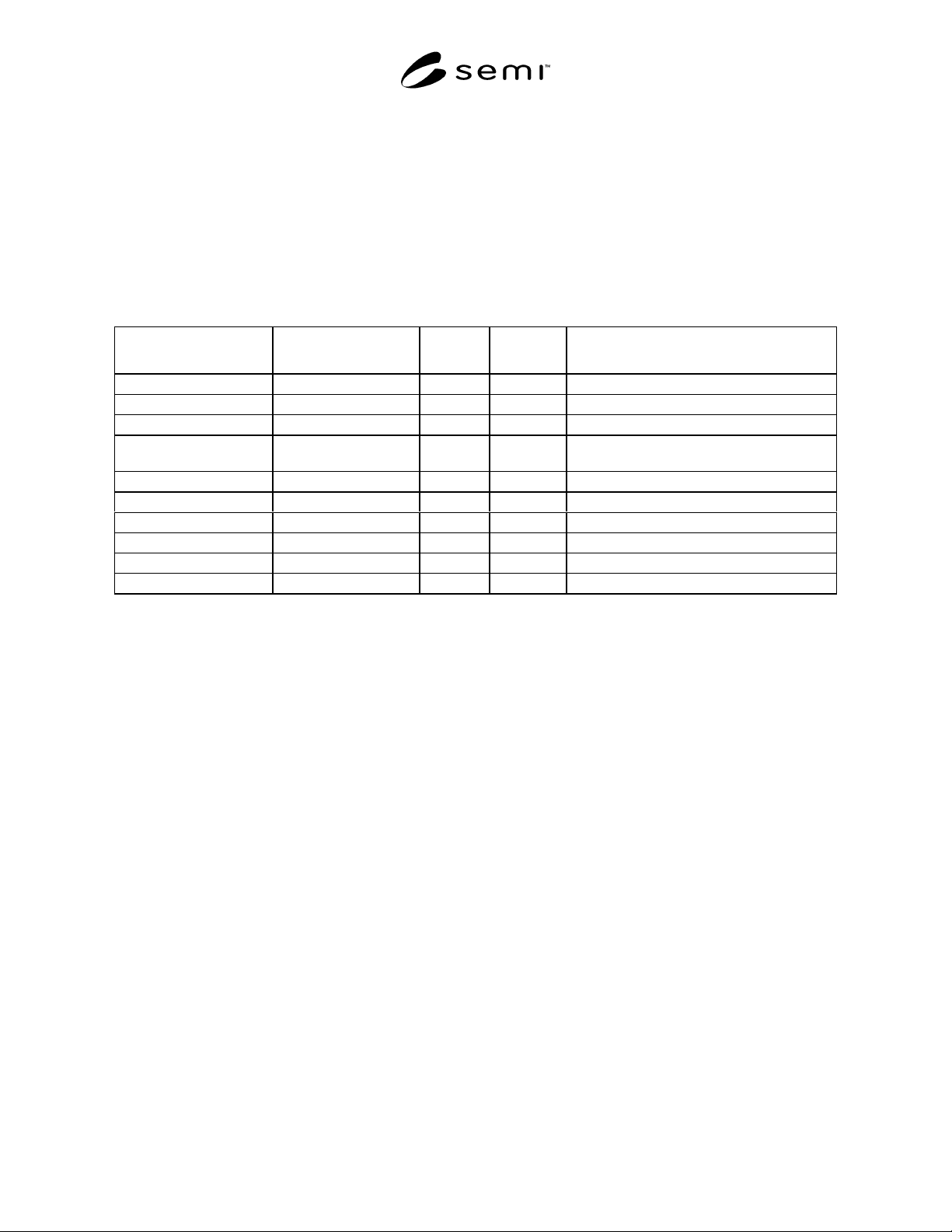
Table 17 Sensor-AI and Sensor-AI-MNS Object Attributes
Attribute Name Attribute Identifier Access
Network
Required Form
Value SaiA16 R Yes UINT
Gain SaiA65 R Yes REAL
Data Type SaiA66 R Yes USINT
Data Units SaiA67 R Yes Enumerated, UINT
milliVolts only value supported
Reading Valid MnsA1 R Yes Enumerated, Byte
Full Scale MnsA2 R Yes UINT
Alarm Settling Time MnsA3 R Yes UINT
Warning Settling Time MnsA4 R Yes UINT
Reserved MnsA5–MnsA64 — — Reserved for future expansion.
Manufacturer Specified > MnsA64 — — Manufacturer Specific attributes
8.7.1.1 Value — The attribute that maintains the median noise sensor value. This is the noise level at the output of
the sensor amplifier. The value is calculated by taking the median value of the last manufacturer specific number of
rolling samples of the sensor amplifier output. This value is always read as milliVolts.
8.7.1.2 Gain — The attribute that specifies the gain of the median noise measuring circuit.
8.7.1.3 Data Type — The attribute which defines the format of the data associated with the “value” attribute.
8.7.1.4 Data Units — The attribute which specifies the units for the “Value” attribute. This attribute is an
enumerated UINT and can take only one value:
MilliVolts (as assigned in Appendix 1 of SEMI E54.1).
8.7.1.5 Reading Valid — An attribute which specifies whether the “Value” attribute contains a valid value. This
attribute is an enumerated byte that can take on one of the following values:
0 = Invalid, or
1 = Valid.
8.7.1.6 Full Scale — An attribute which specifies the maximum value allowed for the “Value” attribute.
8.7.1.7 Alarm Settling Time — An attribute which specifies the maximum time in milliseconds that the “Value”
attribute may take to stabilize before an alarm is generated.
8.7.1.8 Warning Settling Time — An attribute which specifies the maximum time in milliseconds that the “Value”
attribute may take to stabilize before a warning is generated.
8.7.1.9 Initial and Default Values