semi合集-English.pdf - 第6986页
SEMI S10-1103 © SEMI 1996, 2003 16 Table R4-3 Severity numbers (more quantitative) Severity number People (See Not e R4-1) Equipment/Facility Property 0 No injury No damage No damage 1 (minor) Scratch/bruise Non-serious …
SEMI S10-1103 © SEMI 1996, 2003 15
RELATED INFORMATION 4
EXAMPLE OF NUMERICAL RISK RATING METHODS
NOTICE: This related information is not an official part of SEMI S10 and is not intended to modify or supersede
the official guideline. It has been derived from practical application by the task force members. Publication is
authorized by the vote of the responsible committee April 2, 2003.
R4-1 Example of Numerical Risk Rating Methods
R4-1.1 Background — For practical reasons numerical descriptions are preferred during many risk assessments.
The tables below are an example how the descriptive categories are changed to numerical. The data in the following
tables are not based on statistical data.
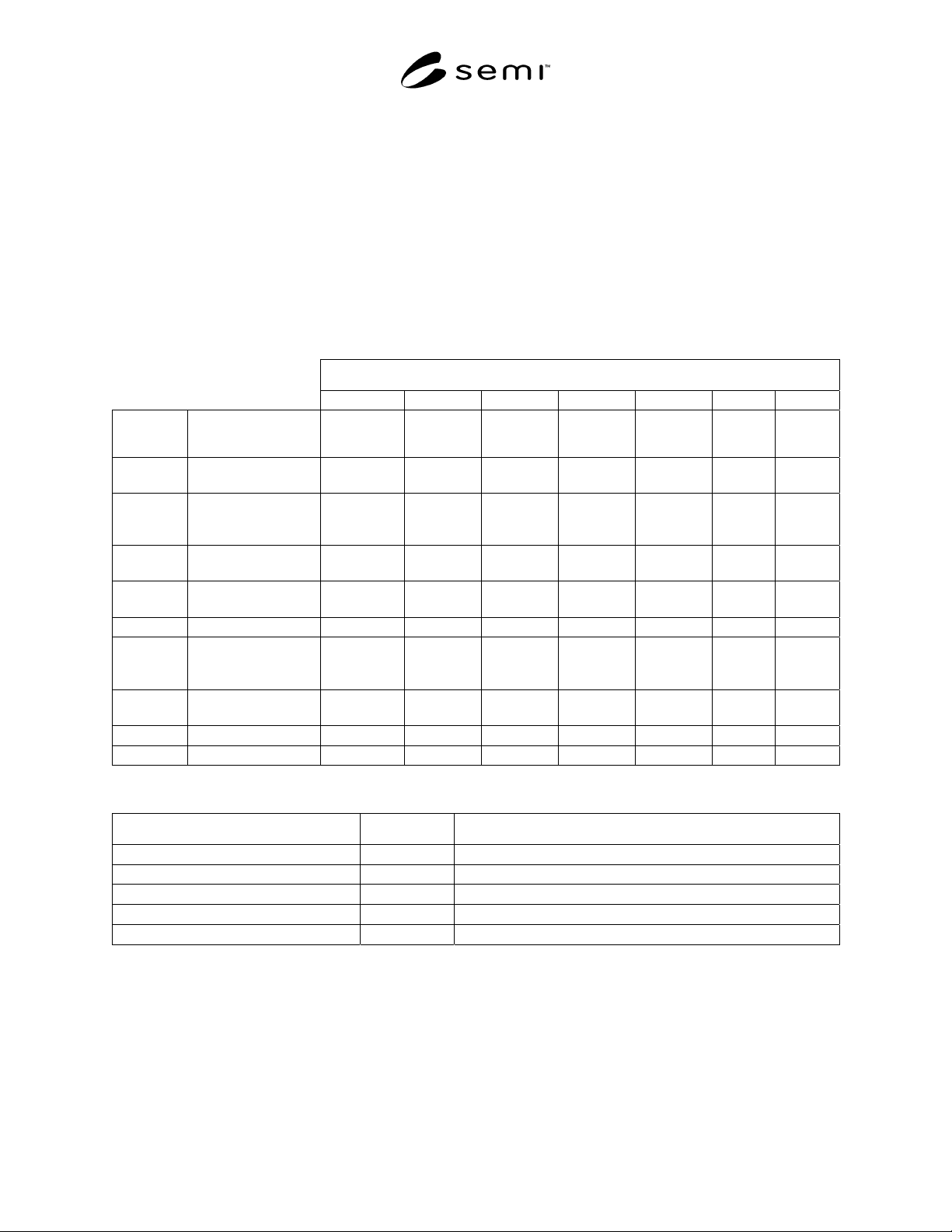
Table R4-1 Likelihood and Frequency: Based on Number of Occurrence Per Year
Frequency of exposure – based on number of occurrence per year
Infrequent Annually Monthly Weekly Daily Hourly Constant
% of time Likelihood of
occurrence
0.333 1 12 52 365 8760 525600
0% Impossible, Cannot
happen
0 0 0 0 0 0 0
0.25% Almost unlikely,
possible in extreme
circumstances
0.001 0.003 0.03 0.13 0.91 21.9 1,314
1% Highly unlikely,
Though conceivable
0.003 0.01 0.12 0.52 3.65 87.6 5,256
5% Unlikely, but could
occur
0.017 0.05 0.6 2.6 18.25 438 26,280
15% Possible, but unusual 0.05 0.15 1.8 7.8 64.76 1,314 78,840
50% Even chance of
occurance, can
happen
0.167 0.5 6 26 182.6 4,380 262,800
75% Probable, not
surprised
0.25 0.75 9 39 273.8 5,570 394,200
90% Likely, to be expected 0.3 0.9 10.8 46.8 328.5 7,884 473,040
100% Certain, No doubt 0.33 1 12 52 365 8,760 525,600
Table R4-2 Likelihood and Frequency: Related to Example Likelihood Table in SEMI S10-1296
Likelihood of occurrence Range Number of times per year (based on 500 installed tools)
Frequent X > 5 Greater than 5 times a year
Likely 1 < X < 5 More once a year, but no more than 5 times a year
Possible 0.2 < X < 1 More once in 5 years, but no more than once a year
Rare 0.1 < X < 0.2 More than once in 10 years, but no more than once in 5 years
Unlikely 0 < X < 0.1 No more than once in 10 years
SEMI S10-1103 © SEMI 1996, 2003 16
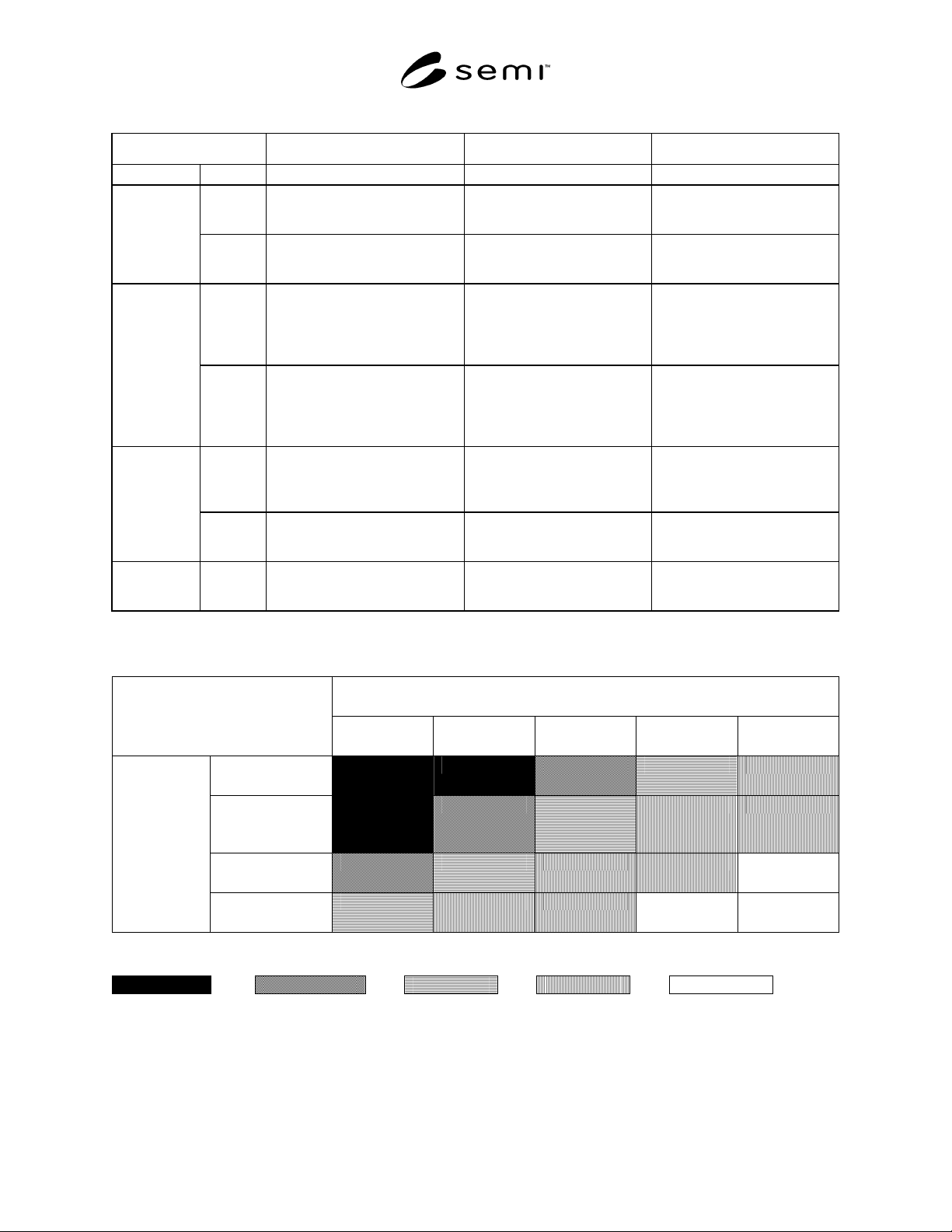
Table R4-3 Severity numbers (more quantitative)
Severity number People (See Note R4-1)
Equipment/Facility Property
0 No injury No damage No damage
1
(minor)
Scratch/bruise Non-serious equipment (< 1
hour) or facility damage.
Minor Chemical release
requiring only routine cleanup
without reporting.
Minor
2 First aid only. Non-serious equipment (< 8
hour)
Facility damage (< 1 hour).
Chemical release requiring
only routine cleanup without
reporting.
4 Minor Medical treatment or
restricted work activity (OSHA
recordable) (< 1 week)
Beginning Repetitive strain
injury.
Minor subsystem loss (< 1 day)
Facility damage (< 1 shift).
Chemical release triggering
external reporting
requirements.
Moderate
8 Medical treatment or restricted
work activity (OSHA
recordable). Repetitive strain
injury (intensive treatment
required).
Subsystem loss (< 1 month)
Facility damage (< 1 shift).
16 Disabling injury/illness.
Repetitive strain injury
(permanent restricted work
activity).
Major-system loss (between 1
month and 1 Year)
Facility damage (1-4 Weeks).
Chemical release with
temporary environmental or
public health impact.
Severe
32 Disabling injury/illness. (Loss of
Limbs/ serious illness)
Total System loss; (> 1 Year)
Facility loss (between 1 month
and 1 Year).
Catastrophic
64 One or more fatalities. Total Facility loss (> 1 year). Chemical release with lasting
environmental or public health
impact.
Note R4-1: This number is if 1-2 people are exposed to the risk. The number must be doubled when there are 3 or more people involved.
Table R4-4 Table R4-1 to Table R4-3 related to Appendix 1 Table A3
LIKELIHOOD
RISK
ASSESSMENT
MATRIX
FREQUENT
(X >5)
LIKELY
(1 < X < 5)
POSSIBLE
(0.2 < X < 1)
RARE
(0.1 < X < 0.2)
UNLIKELY
(0 < X < 0.1)
CATASTROPHIC
(≥ 64)
SEVERE
(8 ≤ x < 64)
MODERATE
(4 ≤ x < 8)
S
E
V
E
R
I
T
Y
MINOR
(1 ≤ x < 4)
Overall Risk Ranking Categories:
VERY HIGH HIGH MEDIUM LOW VERY LOW
NOTE 1: The Risk Categories of “Very High” and “Very Low” correspond identically with the Risk Categories, used in
previous SEMI documents (e.g., S10-12-96, S2, and S14) of “Critical” and “Slight”. The terms were changed to facilitate
translation from English.

SEMI S10-1103 © SEMI 1996, 2003 17
NOTICE: SEMI makes no warranties or representations as to the suitability of the guidelines set forth herein for
any particular application. The determination of the suitability of the guideline is solely the responsibility of the
user. Users are cautioned to refer to manufacturer’s instructions, product labels, product data sheets, and other
relevant literature respecting any materials or equipment mentioned herein. These guidelines are subject to change
without notice.
The user’s attention is called to the possibility that compliance with this guideline may require use of copyrighted
material or of an invention covered by patent rights. By publication of this guideline, SEMI takes no position
respecting the validity of any patent rights or copyrights asserted in connection with any item mentioned in this
guideline. Users of this guideline are expressly advised that determination of any such patent rights or copyrights,
and the risk of infringement of such rights, are entirely their own responsibility.
Copyright by SEMI® (Semiconductor Equipment and Materials
International), 3081 Zanker Road, San Jose, CA 95134. Reproduction o
f
the contents in whole or in part is forbidden without express written
consent of SEMI.