semi合集-English.pdf - 第3190页
SEMI E125.1-0305 © SEMI 2005 44 provided dy nami cally to the equi pment duri ng SEMI E132 Session establishment, using the Estab lishSession message. 7.3.6 MetadataRevised 7.3.6.1 WSDL O peration Binding 7.3.6.1. 1 See …
SEMI E125.1-0305 © SEMI 2005 43
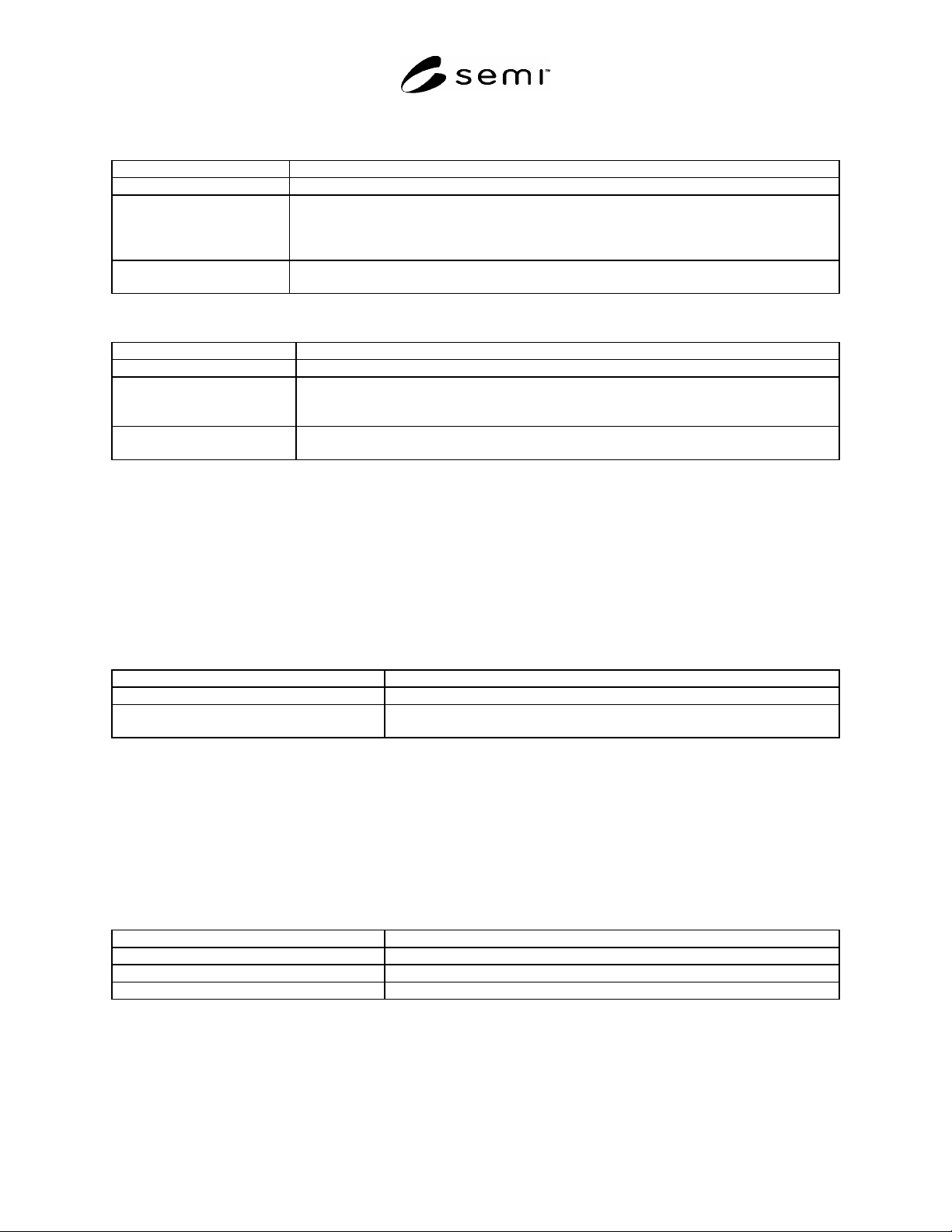
Table 87 MetadataClient PortType Definitions
File Name E125-1-V0305-MetadataClient-PortType.wsdl
Target Namespace urn:semi-org:ws.E125-1.V0305.esdMetaClt-portType
Imported/Referenced
Namespaces
urn:semi-org:xsd.E132-1.V0305.auth
urn:semi-org:xsd.E125-1.V0305.esd
http://schemas.xmlsoap.org/wsdl/
http://www.w3.org/2001/XMLSchema
Description
This file defines all of the input/output messages and operations for the MetadataClient interface,
based on the data types defined in the SEMI E125 XML Schema.
Table 88 EquipmentMetadataManager Binding Definitions
File Name E125-1-V0305-MetadataClient-Binding.wsdl
Target Namespace urn:semi-org:ws.E125-1.V0305.esdMetaClt-binding
Imported/Referenced
Namespaces
urn:semi-org:ws.E125-1.V0305.esdMetaClt-portType
http://schemas.xmlsoap.org/wsdl/soap/
http://schemas.xmlsoap.org/wsdl/
Description
This file binds the abstract portType definition to HTTP and SOAP, specifying required SOAP
and HTTP headers for each operation and the XML encoding style.
7.3.3 WSDL Port Type Overview
7.3.3.1 The MetadataClient WSDL portType definition organizes the SEMI E125.1 XML Schema data types into a
collection of named operations with inputs and outputs that correspond to the UML operations that are defined for
the MetadataClient interface in SEMI E125. The WSDL portType itself is named after the SEMI E125 interface,
and each WSDL portType operation is named after the corresponding UML operation defined for the interface.
Each WSDL operation consists of two WSDL message definitions corresponding to the input and output (request
and response) for the UML operation defined in SEMI E125. The MetadataClient interface defines only one
operation with no outputs (one-way).
Table 89 EquipmentMetadataManager Port Type
SEMI E125 Class Name MetadataClient
WSDL Port Type Name MetadataClient
SEMI E125 Operation
WSDL Operation
MetadataRevised MetadataRevised
7.3.4 WSDL Binding Overview
7.3.4.1 The WSDL MetadataClient binding definition specifies a message and transport protocol to use for a given
portType (SOAP and HTTP for SEMI E125.1), the interface style used (document style for SEMI E125.1). These
setting are shown in Table 13. For each WSDL portType operation, the binding defines any SOAP headers used and
whether or not they are required, the HTTP SOAPAction header value to use for that operation, and the XML
encoding to use (literal). The binding definitions for each portType operation are described in ¶¶7.2.8 through
7.2.16.
Table 90 EquipmentMetadataManager Binding
SEMI E125 Class Name MetadataClient
WSDL Binding Name MetadataClient Binding
SOAP Binding Style document
SOAP Transport http://schemas.xmlsoap.org/soap/http
7.3.5 WSDL Service Overview
7.3.5.1 This specification does not provide a WSDL service definition for the MetadataClient interface. WSDL
service definitions define the address(es) at which a given interface can be accessed by a client. Such information is
SEMI E125.1-0305 © SEMI 2005 44
provided dynamically to the equipment during SEMI E132 Session establishment, using the EstablishSession
message.
7.3.6 MetadataRevised
7.3.6.1 WSDL Operation Binding
7.3.6.1.1 See the operation binding for “MetadataRevised” in E125-1-V0305-MetadataClient-Binding.wsdl. Key
information is shown for convenience in the following table.
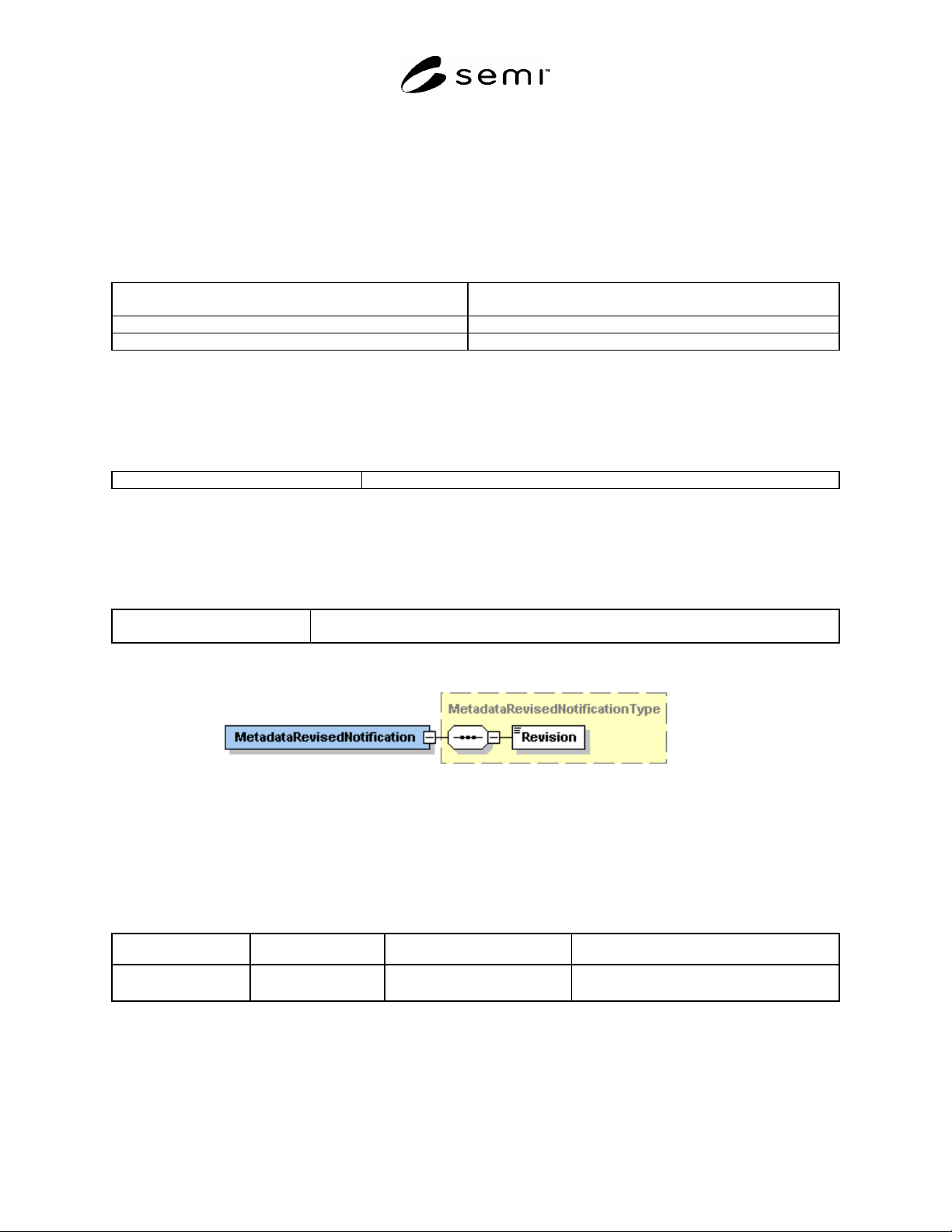
Table 91 MetadataRevised Operation Binding
SOAPAction
urn:semi-org:ws.E125-1.V0305.esdMetaEqp-
binding:MetadataRevised
Input Headers (WSDL Message, Required) E132HashHeaderMessage, required
Output Headers (WSDL Message, Required) E132HashHeaderMessage, required
7.3.6.2 WSDL PortType Operation
7.3.6.2.1 See the portType operation definition for “MetadataRevised” in SEMI E125- MetadataClient -
PortType.wsdl. Key information is shown for convenience in the following table.
Table 92 MetadataRevised PortType Operation
Input Message Name MetadataRevisedNotificationMessage
7.3.6.3 WSDL Message(s)
7.3.6.3.1 See the message definitions for “E132HashHeaderMessage” and “MetadataRevisedNotificationMessage”
in E125-1-V0305-MetadataClient-PortType.wsdl. Key information is shown for convenience in the following table.
Table 93 EquipmentMetadataManager Binding
Message Name
Schema
Element Name
E132HashHeaderMessage auth:E132HashHeader
NotifyOnRevisionsRequestMessage esd: MetadataRevisedNotification
7.3.6.4 XML Schema Types
Figure 33
MetadataRevisedNotification Global Element
7.3.6.4.1 MetadataRevisedNotification — This global element acts as a top-level container entity representing the
SOAP body of a MetadataRevised notification. As defined in SEMI E125, this operation has one input argument:
the current revision of the equipment metadata. This argument is modeled as a single element named “Revision” of
built-in type “xsd:dateTime”.
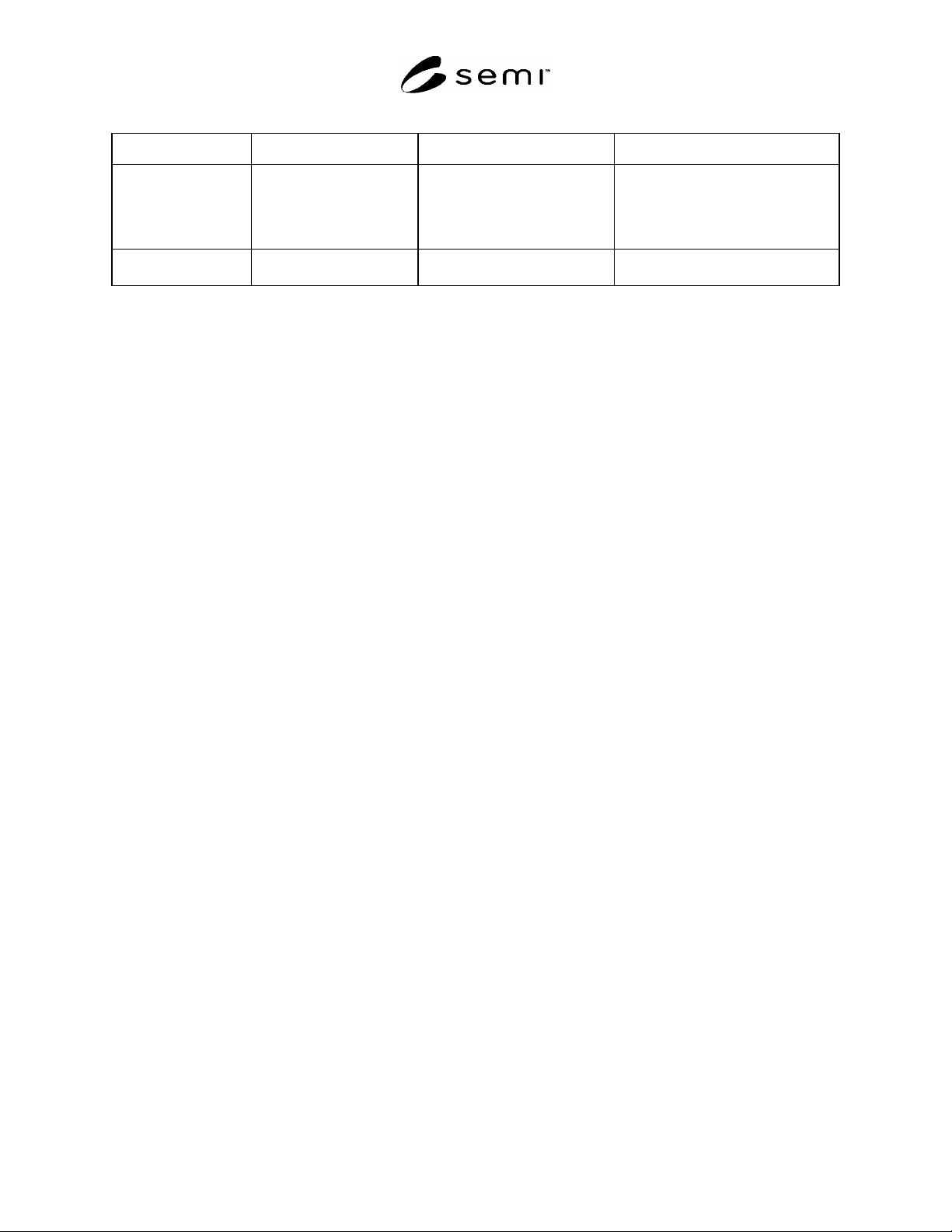
Table 94 Translation Table for Input Arguments for the NotifyOnRevisions Operation
Argument Name Format XML Element or Attribute XML Name/Type
revision Structured data of type
RevisionNotice
element Revision: xsd:dateTime.
7.3.6.4.2 Revision — This global element is the XML Schema representation of the SEMI E125 RevisionNotice
class.
SEMI E125.1-0305 © SEMI 2005 45
Table 95 SEMI E125 RevisionNotice Revision Translation Table
Attribute or Role Name UML Name/Type XML Element or Attribute XML Name/Type
equipment One and only one element
of a type derived from the
SEMI E120 type
EquipmentElement
n/a No SEMI E120 equipment node is
provided. Clients determine which
equipment has been updated via
information provided in the SEMI
E132 header.
newRevision Structured data, of type
MetadataRevision
element Revision: xsd:dateTime
NOTICE: SEMI makes no warranties or representations as to the suitability of the standards set forth herein for any
particular application. The determination of the suitability of the standard is solely the responsibility of the user.
Users are cautioned to refer to manufacturer's instructions, product labels, product data sheets, and other relevant
literature, respecting any materials or equipment mentioned herein. These standards are subject to change without
notice.
By publication of this standard, Semiconductor Equipment and Materials International (SEMI) takes no position
respecting the validity of any patent rights or copyrights asserted in connection with any items mentioned in this
standard. Users of this standard are expressly advised that determination of any such patent rights or copyrights, and
the risk of infringement of such rights are entirely their own responsibility.
Copyright by SEMI® (Semiconductor Equipment and Materials
International), 3081 Zanker Road, San Jose, CA 95134. Reproduction of
the contents in whole or in part is forbidden without express written
consent of SEMI.