semi合集-English.pdf - 第2242页
SEMI E58-0703 © SEMI 1997, 2003 23 Attribute Name Definition Access Reqd Form ARAMSTimestamp Timestamp of last ARAMS st ate change. RO N Form atted numeric text : timestamp format. Clock (See NOTE 1.) Current time and da…
SEMI E58-0703 © SEMI 1997, 2003
22
11.4.10 UDTime — Time in UNSCHEDULED
DOWNTIME.
12 Events and Pre-Defined Event Reports
1.18 Each transition in the ARAMS State Model, with
the exception of Transitions 2 and 11, represents a
unique collection event that shall be reportable to the
host. A generic collection event ARAMS State Change
shall be provided that corresponds to any ARAMS state
change. This allows greater efficiency for common data
to be placed in a single report.
1.19 The equipment shall support one of the two
following requirements:
• The capability of allowing the host to define
reports associated with each ARAMS state change
event, or
• A set of pre-defined (default) event reports for the
ARAMS State Change Event, equipment-initiated
transitions to UNSCHEDULED DOWNTIME
(Transitions 5 and 7, and Transition 1 as
appropriate), and user-initiated transitions to
UNSCHEDULED DOWNTIME.
1.20 The pre-defined reports, defined below, are
labeled “A”, “B”, and “C”, for ease of reference only.
Report “A” represents the information required for
every ARAMS State Change Event. Implementations of
these reports shall provide, at a minimum, the updated
values of the indicated variables.
Report “A”
ARAMS State Change Event
EqpModel
EqpSerialNum
EqpName
Clock
ARAMSState
PrevARAMSState
Report “B”
Equipment-Initiated Transitions to
UNSCHEDULED DOWNTIME Event
DowntimeAlarm
DowntimeAlarmText
DowntimeData
Report “C”
User-Initiated Transition
SymptomID
SymptomText
DowntimeData
13 Object Services Compliance
This section provides information required for
equipment that is OSS-compliant. OSS compliance is
not required for ARAMS compliance.
13.1 Equipment Object — ARAMS-compliant
equipment (equipment subsystems) that are compliant
to OSS (SEMI E39) and that provide an object
representing the equipment (equipment subsystems)
shall include as attributes of that object the attributes
listed in Table 6.
1.20.1 The data element Clock may be represented by
a Clock object. In this case, Clock is not an attribute of
the Equipment object but is a component of the
Equipment object and is accessible through OSS
services.
1.20.2 Table 6 defines the variables specified in earlier
sections as object attributes conformant with the
requirements of OSS. The column labeled “Access”
indicates whether the attribute is read-only (RO) or
read-write (RW), and the column labeled “Reqd”
indicates if the attribute is required for ARAMS
compliance.
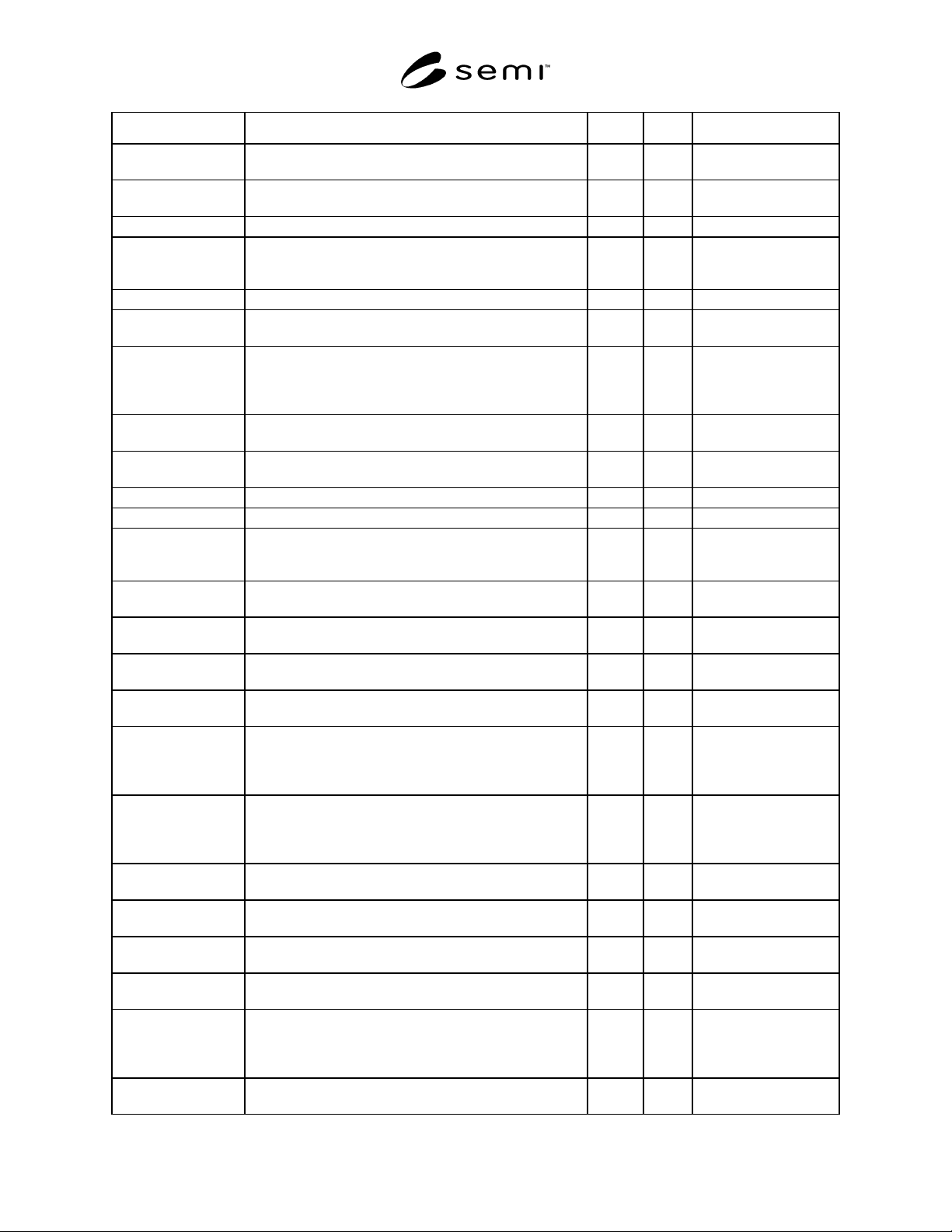
Table 6 Table 6 ARAMS Object Attribute Definitions
Attribute Name Definition Access Reqd Form
ARAMSAccumReset Timestamp for when time-in-state accumulators were last
reset to zero. Required if accumulators are supported.
RO N Formatted numeric text:
timestamp format.
ARAMSInfo Additional information set by the equipment at the time of
an ARAMS state transition.
RO N Text. 0–80 characters.
ARAMSState Code corresponding to currently selected ARAMS
state/substate.
RO Y Formatted alphanumeric
text. 4 characters.
ARAMSText Descriptive text corresponding to code in ARAMSState. RO Y Text. 5–80 characters.
SEMI E58-0703 © SEMI 1997, 2003 23
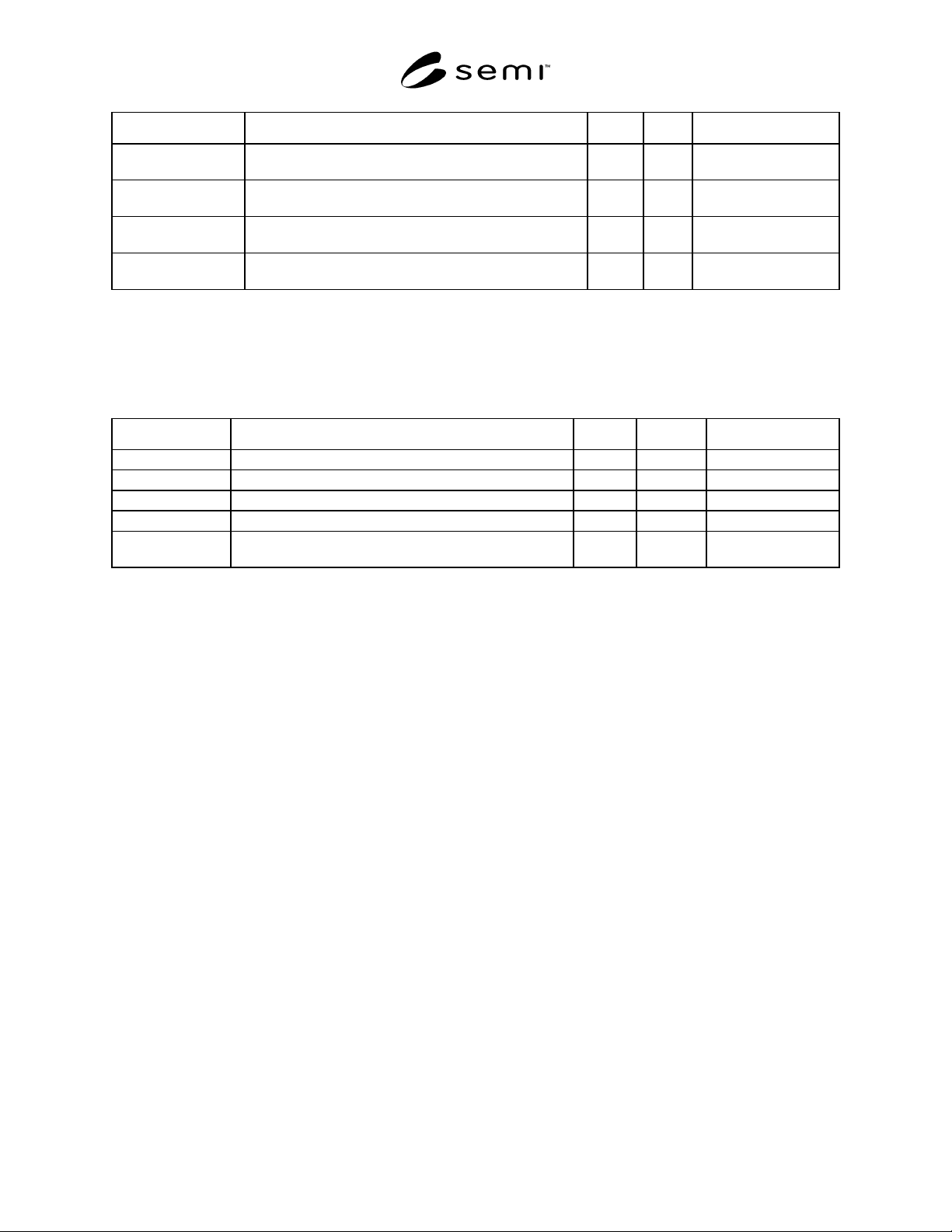
Attribute Name Definition Access Reqd Form
ARAMSTimestamp Timestamp of last ARAMS state change. RO N Formatted numeric text:
timestamp format.
Clock (See NOTE 1.) Current time and date. RW Y Formatted numeric text:
timestamp format.
CycleCtr Non-resettable counter of equipment run cycles. RO Y Unsigned integer.
DowntimeAlarm Identifier of last alarm or exception triggering an
equipment-initiated transition to a downtime state and/or
substate.
RO Y Text. Conforms to
ObjID.
DowntimeAlarmText Text associated with DowntimeAlarm. RO Y Text. 0–80 characters.
DowntimeData Equipment-defined text associated with transitions to
downtime state and/or substate.
RO Y Text. 0–256 characters.
EngInterrupt Enables (TRUE) or disables (FALSE) an equipment-
initiated transition from ENGINEERING to
UNSCHEDULED DOWNTIME. Required in EngRecovery
is supported.
RW N Boolean.
EngRecovery Enables (TRUE) or disables (FALSE) automatic recovery
from UNSCHEDULED DOWNTIME to ENGINEERING.
RW N Boolean.
EngTime Accumulated minutes in the ENGINEERING state/substate.
Required if accumulators are supported.
RW N Unsigned integer.
EqpModel The equipment model. RO Y Text. 1–80 characters.
EqpSerialNum Equipment serial number. RO Y Text. 1–80 characters.
InterruptionPrd Counts number of transitions from PRODUCTIVE to
UNSCHEDULED DOWNTIME. Required if accumulators
are supported.
RW N Unsigned integer.
InterruptionTotal Counts total number of transitions to UNSCHEDULED
DOWNTIME. Required if accumulators are supported.
RW N Unsigned integer.
LastPowerdown Estimate of last powerdown time. RO Y Formatted numeric text:
timestamp format.
NSTime Accumulated minutes in NON-SCHEDULED TIME
state/substate. Required if accumulators are supported.
RW N Unsigned integer.
PowerdownTime Estimate of powerdown time. RO Y Formatted numeric text:
timestamp format.
PowerupState Indicates the powerdown state when powerdown occurs
during manufacturing time.
RW N Text digit:
“2” = standby,
“5” =unscheduled
downtime.
PrdRecovery Enables (TRUE) or disables (FALSE) the equipment-
initiated return to PRODUCTIVE from UNSCHEDULED
DOWNTIME. Required for support of automatic
equipment-initiated recovery.
RW N Boolean.
PrdState The last ARAMS code specified by the user for
PRODUCTIVE.
RO Y Formatted alphanumeric
text. 4 characters.
PrdTime Accumulated minutes in PRODUCTIVE state/substate.
Required if accumulators are supported.
RW N Unsigned integer.
PrevARAMSState ARAMS Substate Code corresponding to state prior to last
state transition.
RO Y Formatted alphanumeric
text. 4 characters.
SDTime Accumulated minutes in SCHEDULED DOWNTIME
state/substate. Required if accumulators are supported.
RW N Unsigned integer.
SbyRecovery Enables or disables the equipment-initiated return to
STANDBY from UNSCHEDULED DOWNTIME.
Required for support of automatic equipment-initiated
recovery.
RW N Boolean.
SbyTime Accumulated minutes in STANDBY state/substate.
Required if accumulators are supported.
RW N Unsigned integer.
SEMI E58-0703 © SEMI 1997, 2003
24
Attribute Name Definition Access Reqd Form
SubstateSelect Enables (TRUE) or disables (FALSE) equipment-initiated
selection of substates in PRODUCTIVE and STANDBY.
RW N Boolean.
SymptomID The identifier of a symptom selected by the user when
requesting a state change.
RO Y Text. Conforms to
ObjID.
SymptomText The descriptive text of the symptom selected by the user
when requesting a state change.
RO Y Text. 0–80 characters.
UDTime Accumulated minutes in UNSCHEDULED DOWNTIME
state/substate. Required if accumulators are supported.
RW N Unsigned integer.
NOTE 1: The Clock attribute may be replaced by a Clock object having a DateTime attribute, as defined in SEMI E38.
1.21 Table Objects — Table 7 defines the attributes of a generic table. This is an abstract type of object that is not
itself directly implemented. Specific table types, which require definitions of their row formats (Section 10.2), are
subtypes of the generic table supertype and inherit all of the attributes of the supertype (see SEMI E39, Appendix).
Table 7 Table 7 Table Object Attribute Definition
Attribute Name Definition Access Reqd Form
ObjType The object type. RO Y Text = “Table”.
ObjID The object’s identifier. RO Y Text. 1–80 characters.
NumCols Number of columns. RO Y Unsigned integer.
NumRows Number of rows. RO Y Unsigned integer.
DataLength Total number of bytes required to store the table elements,
exclusive of any formatting required for storage or transfer.
RO Y Unsigned integer.
1.22 Different applications may define additional table attributes for specific table types. The subtypes defined by
ARAMS (Sections 10.3 and 10.4) are “TableARAMSCode” and “TableARAMSSymptom” and have no additional
attributes.
2 Human Interface Requirements
This section provides a central location for requirements affecting the human interface. It specifies the functions that
shall be available to the operator through the equipment’s console (human interface), where the equipment provides
such an interface. Applications that do not otherwise provide such an interface (e.g., cluster modules) are exempted
from these requirements.
13.2 Data Access — All supported data elements defined in Section 11 shall be accessible to the operator.
Specifically, the operator shall be able to view all ARAMS data provided by the equipment and shall be able to
modify the values of all data defined in Section 11.4.
2.1.1 Where the accumulators defined in Section 11.5 are supported, the operator shall be able to change their
individual values, with the exception of ARAMSAccumReset, and to reset the entire set together.
13.3 Selection of an ARAMS State/Substate — The operator shall be able to select any of the standard ARAMS
states and substates defined in Section 9.2, exclusive of those definitions with a “Reserved” substate that are
reserved for future standards. The operator shall also be able to select MANUFACTURING.
2.1.2 Where ARAMS Substate Tables are provided with user-defined or supplier-defined extensions, these
extensions shall also be available to the operator for selecting a change in the current ARAMS state and /or substate.
2.1.3 When selecting a SCHEDULED DOWNTIME or UNSCHEDULED DOWNTIME state/substate, the
operator shall be able to enter a comment to be stored in DowntimeData (Section 11.2.10).